Iwantja: Iwantja Arts
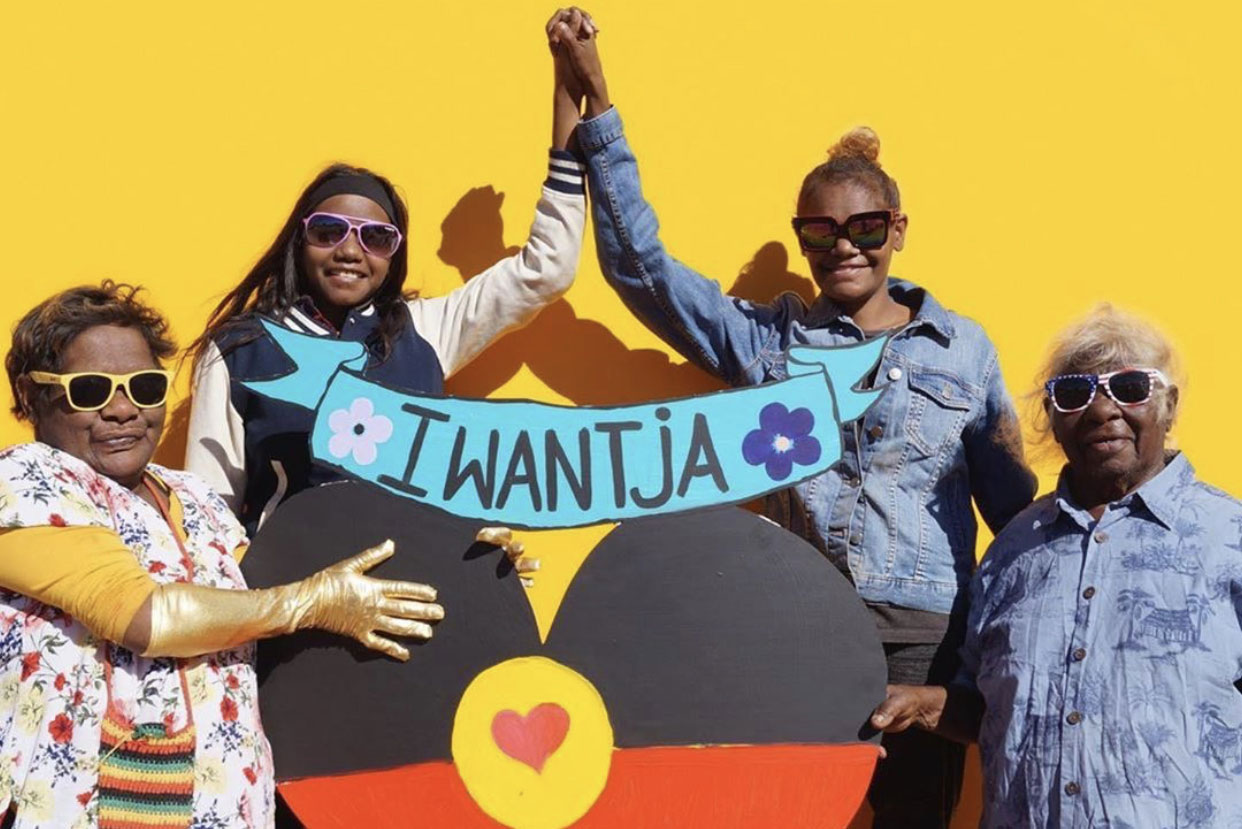
Before you open it, understand this: nothing about the art centre it documents happened by accident. It exists because people fought for it. The 1981 APY Land Rights Act, hard won by Aboriginal communities including those at Indulkana, created the conditions from which the Iwantja Arts centre could eventually grow. That history runs through every page.
Â
Indulkana sits on a ridge at the edge of the Indulkana Ranges, around 575 kilometres south of Alice Springs. This distance matters. Making art here, sustaining a centre here, publishing a monograph of this quality about work made here, took generations of deliberate effort.
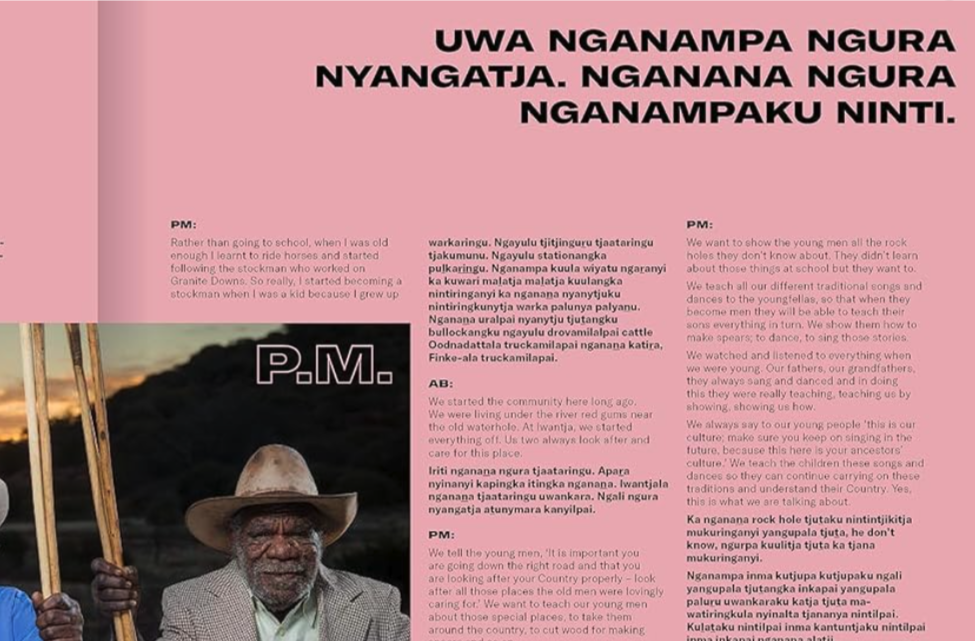
What the book does with that story is remarkable. Pitjantjatjara sits alongside English throughout the pages, carrying equal weight, an equal claim on the reader’s attention. For younger generations of Anangu artists growing up with this book, that matters in ways that go beyond the literary. Language sovereignty, is inseparable from cultural sovereignty. A community that sees its language given that weight in a major publication sets a precedent for what publishing can and should look like.
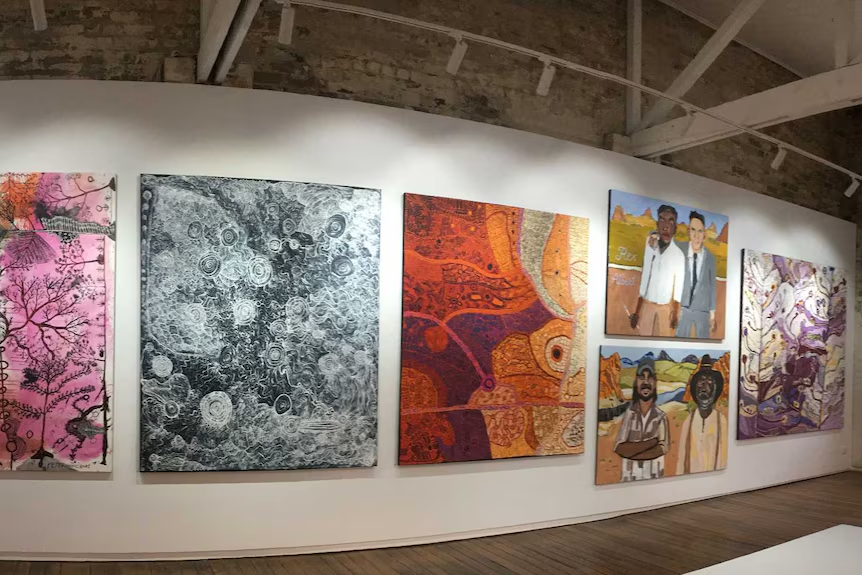
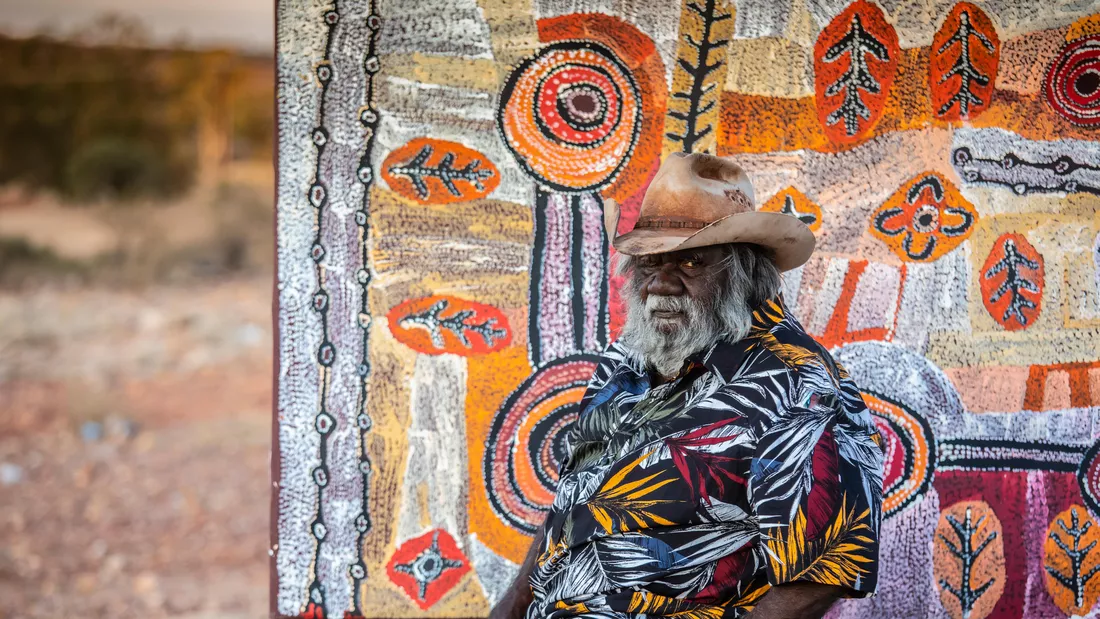
The artists whose voices animate these pages range from Vincent Namatjira to Alec Baker, one of the centre’s original co-founders, to award-winning painters whose work has travelled far beyond the APY Lands.
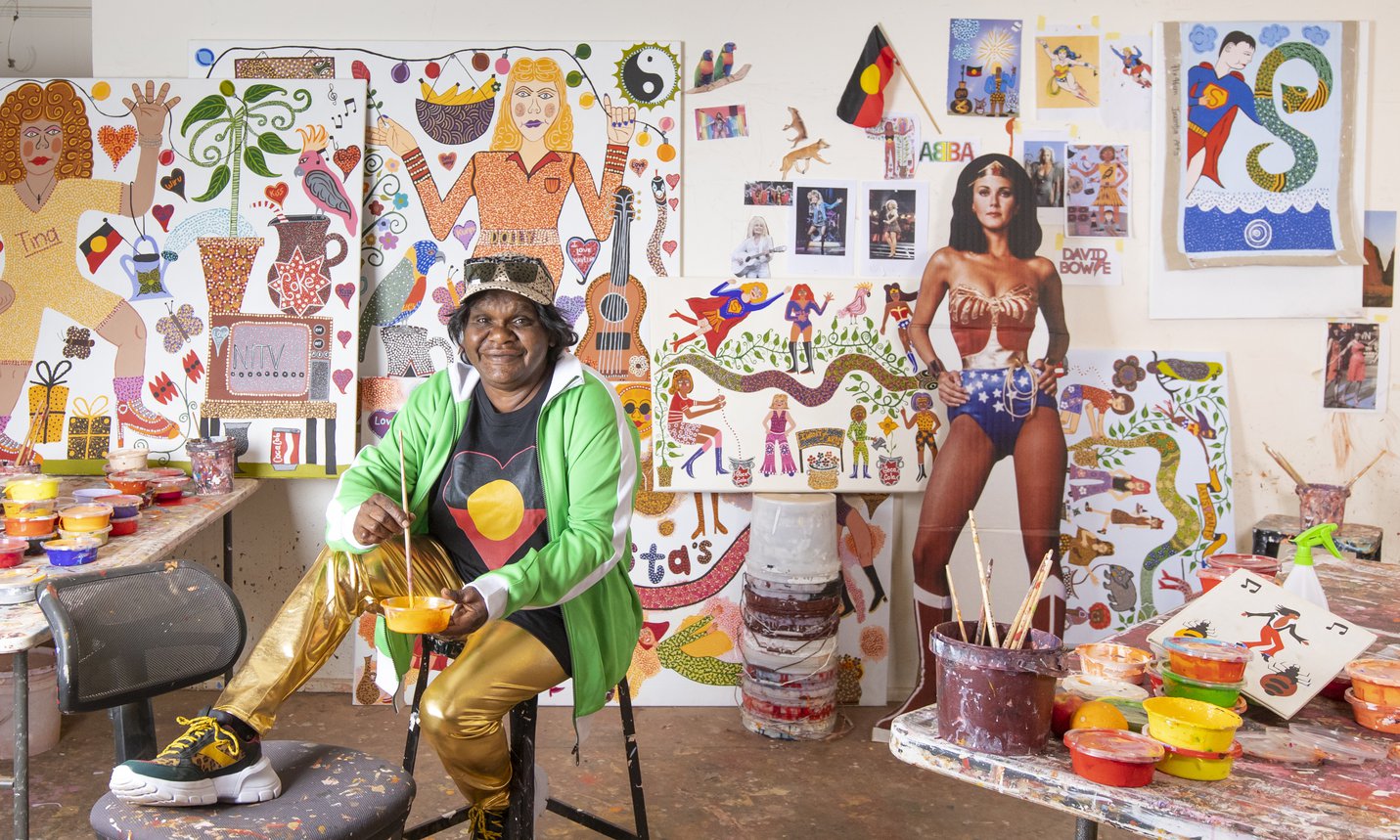
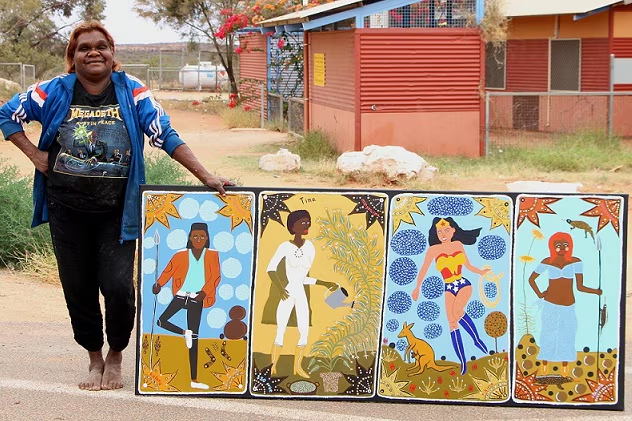
But it was Kaylene Whiskey who thrilled me. Dolly Parton and Wonder Woman rendered in the visual language of country and ceremony, whimsical subjects carried by traditional technique . She uses the language of traditional practice to absorb pop culture into country.
Looking at her work you find yourself wondering what it would have meant if First Nations superheroes had been on television screens in the 1980s, if kids growing up in the APY Lands had seen themselves reflected back in that way. Whiskey is making that world now. The one that should have existed then, and the one that will exist for the kids coming after her. For the next generation of Anangu kids, she is becoming that superhero.
Whiskey’s humour is deliberate and the intelligence behind it is sharp. Her works serve as a reminder that contemporary Indigenous art is alive, restless, and a source of inspiration.
For readers encountering this history for the first time, and for anyone working in publishing, arts documentation, or cultural advocacy, this book is a blueprint as much as a monograph. It demonstrates what it looks like when a publication is built around the principle that the people whose story is being told are the ones who should be telling it.
There are books you read and books that sit with you differently once you know what it took to make them. Iwantja: Iwantja Arts is the second kind.Â
Buy the book here.Â
To explore more of the artists and stories behind this remarkable centre, visit Iwantja Arts, where generations of artists continue to shape one of the country’s most significant community-led art movements.
Sarah Garnett
Sarah Garnett is a cultural journalist and editor specialising in food, travel, and place-based storytelling. A qualified chef with experience working in remote communities including Mornington Island in Queensland, she brings a grounded understanding of food, culture, community, and environment. As editor of independent publication Speak Easy Magazine, she writes on art and culture, hospitality, design, and contemporary Australian life through an editorial lens shaped by lived experience. Her work is also driven by a commitment to keeping rural tourism visible and alive through thoughtful coverage of regional places, people, and experiences.